From October 26–28, 2025, I attended CREA's PAC Days in Ottawa with TRREB, where Realtors from across Canada meet with Members of Parliament to discuss housing, share what we're seeing on the ground, and explore how the federal government can improve affordability during a nationwide housing crisis. Alongside those meetings, we hear from speakers who provide political context, data, and research from Statistics Canada and CREA surveys to support our advocacy. This advocacy work has a long track record. Wins include the Home Buyers' Plan in the 1990s (now allowing $60,000 RRSP withdrawals), the first-time home buyers' tax credit in 2009, and the first-time home buyer incentive in 2019. This year's focus is on missing middle housing and using federal tools to help get more of it built, as unit sizes shrink while detached homes get larger, creating major affordability challenges.
Day one covered the decline in homeownership across all age groups (18-24, now spreading to 40-plus) and CREA data showing 86% of young Canadians still want to own homes. We heard from political economists on Canada-US trade and the upcoming budget's uncertain passage in a minority government.
Day two, I met with MP Chi Nguyen, whose riding I know well. She was highly informed and receptive on missing middle housing, frustrated Toronto didn't approve sixplexes as-of-right despite federal funding being tied to it. We discussed the lack of downsizing options for aging homeowners and whether Build Canada Homes funding could support a fraction of market-based missing middle housing, referencing St. Lawrence as a successful mixed-income example.
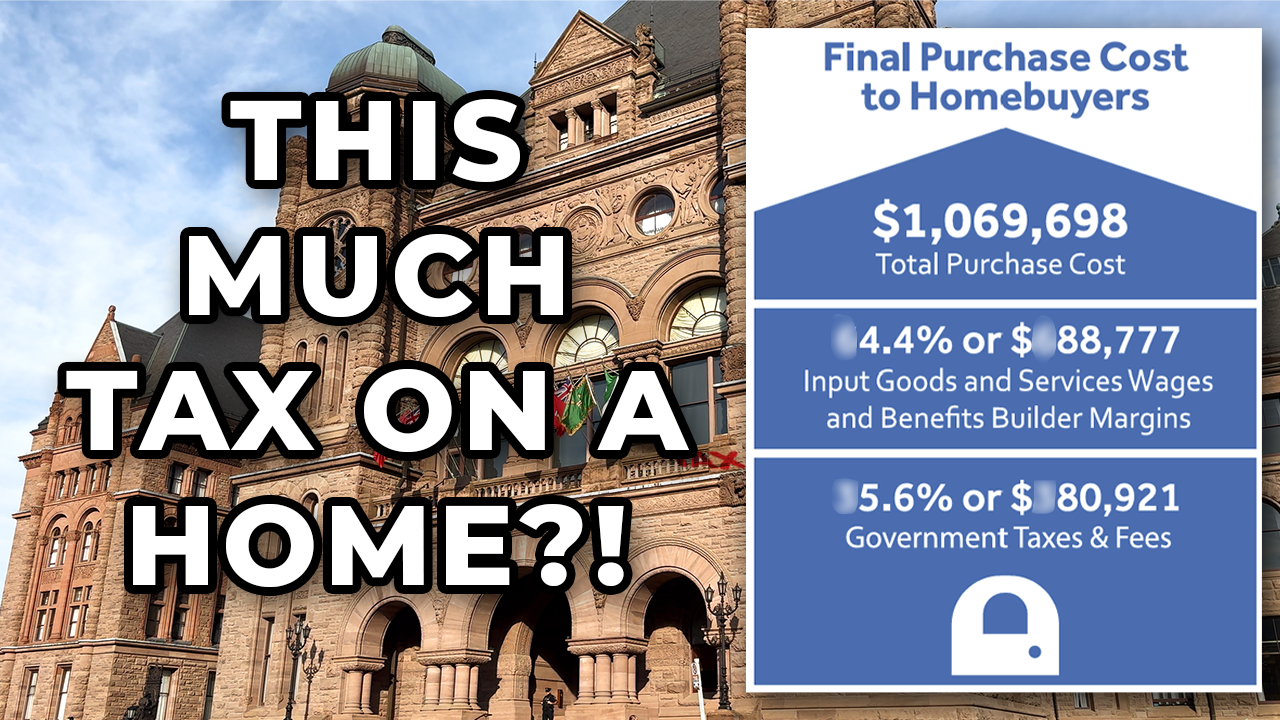
Later in the day, the shadow housing minister acknowledged governments earn significant revenue from housing and was open to removing HST on homes under $1.3M and lowering development charges, noting taxes can be over 30% of new housing costs. He highlighted billions in unspent development charges in municipal reserves.
Political insiders predicted the budget would pass, Conservative leadership instability, continued investment leaving Canada, and a possible spring 2026 election.
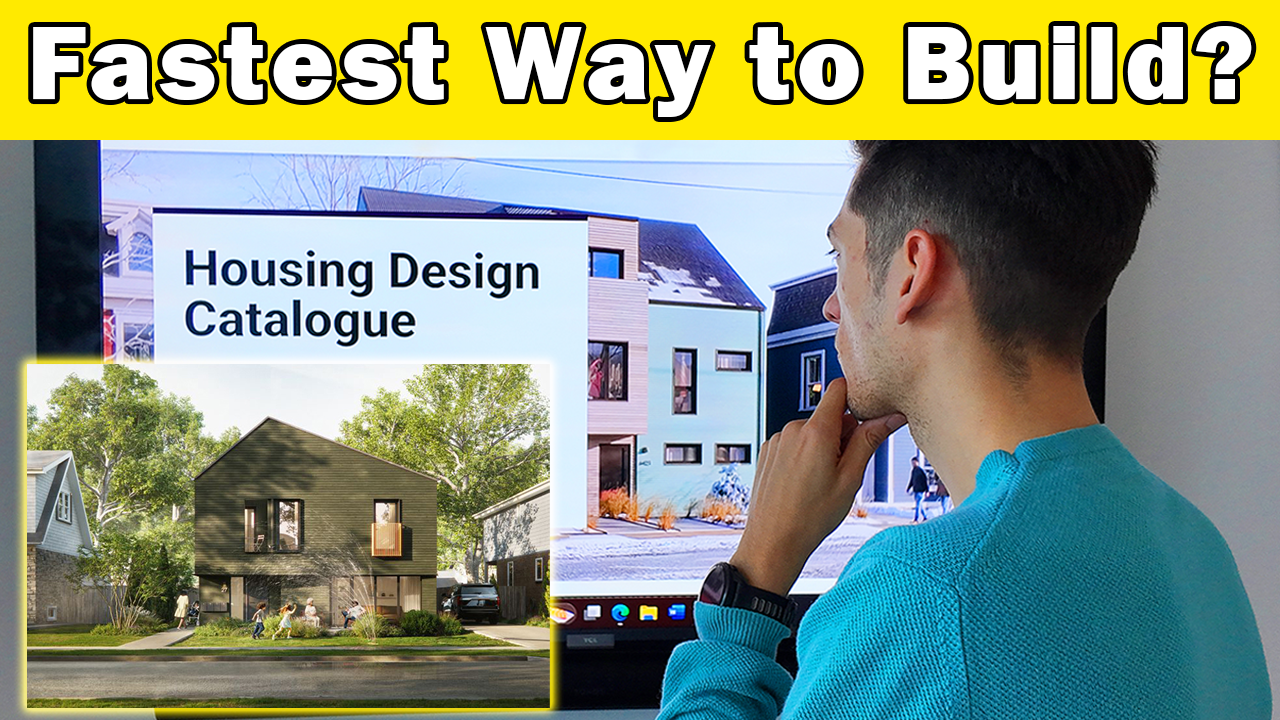
Day three focused on factory-built housing. Residential construction has seen little innovation in decades, with homes built by hand requiring dozens of subcontractors. Poor communication and low productivity among contractors is a major factor in Canada's declining construction speed and quality. Factory-built homes offer better quality control but face challenges around perception, permitting, and inconsistent municipal standards. Inconsistent regulations across municipalities make scaling difficult, it’s like if every city had different vehicle safety standards. Some companies are developing shipping container systems for easier transport and potential export.
The homeownership decline across all age groups is a serious issue for a country that relies heavily on real estate as part of its economy. When 86% of young Canadians still want to own but can't access homeownership, it shows that the lack of young homeowners is not a cultural shift, it's a policy failure that elected officials need to take seriously. The MP meeting showed how critical it is to have informed, engaged representatives who understand the nuances. Chi Nguyen's frustration with Toronto not approving sixplexes despite federal funding being tied to it highlights the disconnect between levels of government. Her understanding of aging homeowners stuck in large family homes with no downsizing options shows why missing middle housing matters beyond just first-time buyers. The shadow minister's acknowledgment that government taxes account for over 30% of new housing costs and his openness to removing HST under $1.3M and lowering development charges is significant. The billions sitting in unspent development charges is scandalous. That money should be building infrastructure, not sitting in reserves. Factory-built housing could revolutionize residential construction if we solve the regulatory inconsistency problem. The auto industry comparison is perfect. Mass production requires standardization, and if every municipality has different rules, this industry can't scale. If Canada gets this right, factory-built housing could become a major export sector.
This trip reinforced how complex the housing crisis is, but also how important it is for industry professionals to be involved in advocacy. Meeting with MPs directly matters because elected officials need to hear what's actually happening on the ground, not just what shows up in policy briefs. Chi Nguyen's engagement on missing middle housing was impressive, and her frustration with Toronto not moving forward on sixplexes mirrors what many of us feel. The fact that federal funding is tied to those approvals and Toronto still didn't act is peak Toronto bureaucracy. It's also a failure at the federal level, when Toronto doesn't meet Housing Accelerator Fund goals, the feds still give them money. The shadow minister's willingness to talk about removing HST and lowering development charges is promising, especially when he acknowledged that over 30% of new housing costs come from government taxes. That's huge. And the point about billions in unspent development charges sitting in municipal reserves instead of building infrastructure is exactly the kind of issue that needs more attention. The factory-built housing discussion was eye-opening. Residential construction is decades behind other industries in terms of innovation, and the regulatory inconsistency across municipalities is killing any chance of scaling. The shipping container approach is smart: standardize the format, solve transportation, open export markets. Overall, these three days showed me that advocacy works when it's backed by data, delivered by people who know the industry, and targeted at the right decision-makers.